Independence Doesn’t Have to Mean Doing It Alone
For a long time, I thought independence meant needing less help.
That is the version most of us are taught: doing things alone, making decisions without assistance, managing every step ourselves, and proving we no longer need anyone beside us.
But that definition leaves too many people out.
For Carter, independence does not always look like completing an entire task from beginning to end without support. It often looks like making a choice, participating in part of a routine, communicating a preference in his own way, or contributing to something with help.
The support does not cancel out the independence. Sometimes the support is what makes it possible.
Independence Can Mean Having a Real Choice
Carter may need help understanding options, getting where he wants to go, or carrying out a decision. But the choice can still be his.
He can show us what he wants through his actions, expressions, routines, preferences, and responses—even when those choices are not communicated through speech.
Independence is not only about who completes the final step. It is also about whose preference guides what happens.
Independence Can Mean Participating in One Part
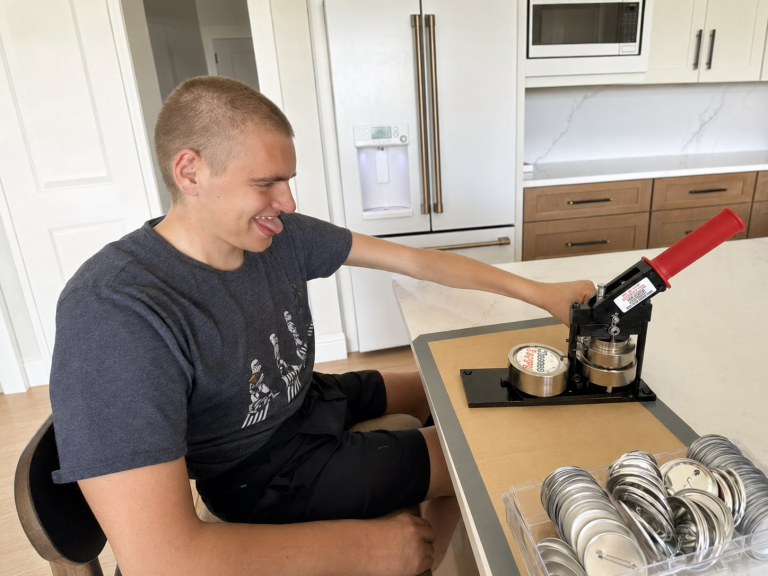
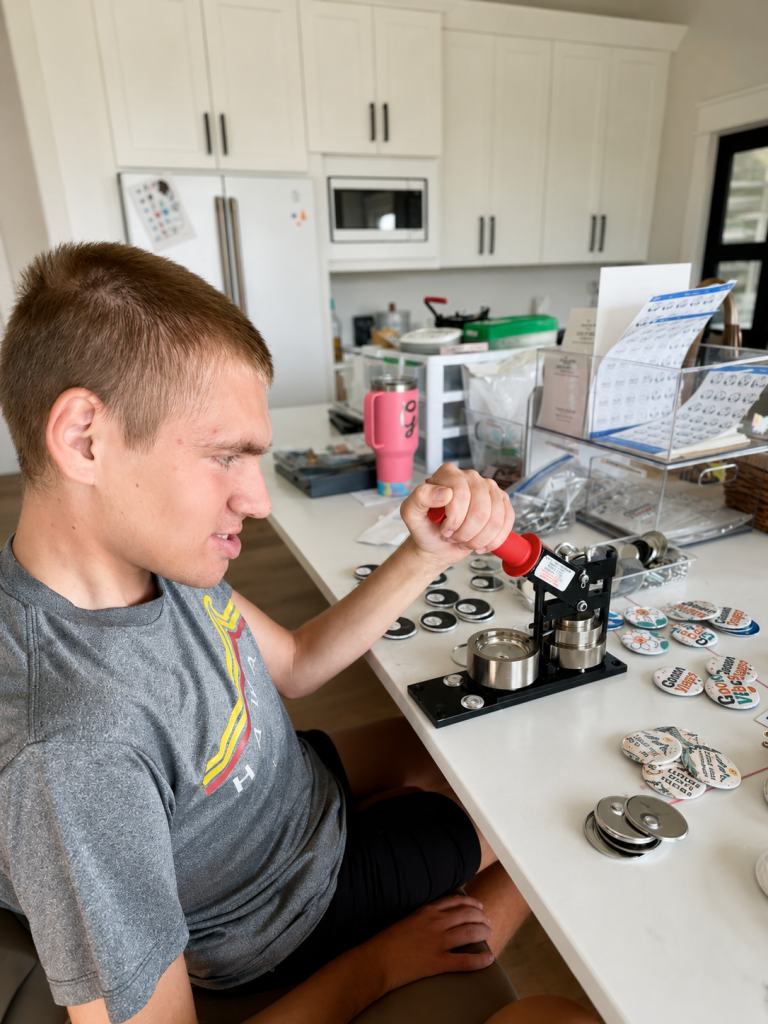
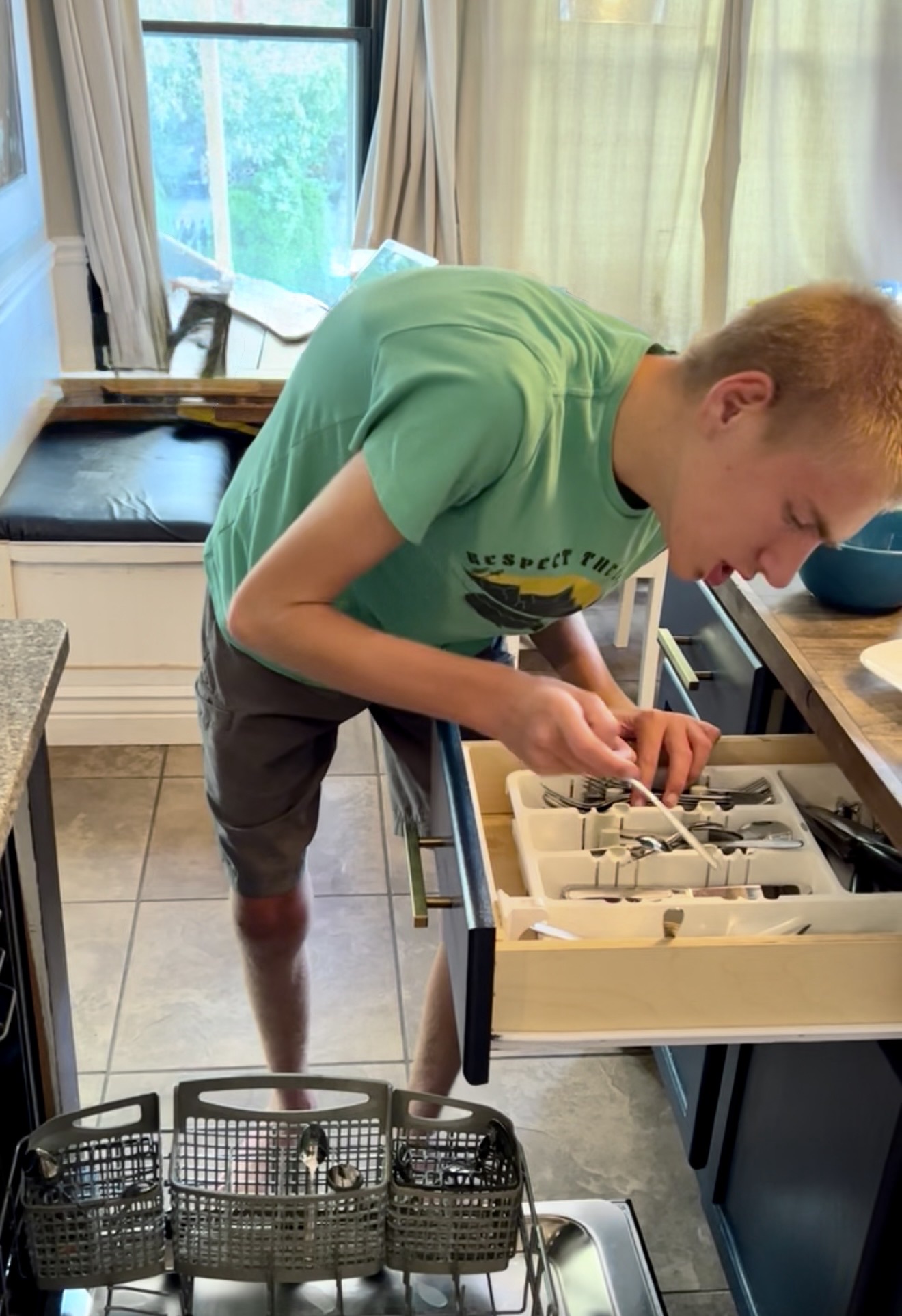
Many daily activities are made up of several steps. Getting ready to leave the house, filling an order, preparing a snack, shopping, traveling, or completing a household routine may involve planning, communication, movement, organization, and follow-through.
Carter may not complete every step, but he can still have a meaningful role.
He may choose the item, carry part of the order, place something where it belongs, recognize the routine, or participate in the step built around his strengths.
Partial participation is still participation.
Independence Can Include Support
Support can take many forms.
- Someone may explain the choices.
- Someone may arrange materials so the task is accessible.
- Someone may provide transportation.
- Someone may help with communication.
- Someone may offer physical assistance.
- Someone may break a routine into smaller steps.
- Someone may create enough time and calm for participation to happen.
The important question is not whether help was present.
The better question is: Did the support increase Carter’s access, agency, and role—or did it replace him?
Doing It Faster Is Not the Goal
It would often be faster for someone else to make the choice, finish the task, or move through the routine without waiting.
But speed is not the same as inclusion.
When we slow down enough for Carter to participate, we are communicating that his role matters. We are making space for his pace, his signals, and his version of contribution.
Support Should Create More Possibility
Good support should expand a person’s world.
It should create more access to places, relationships, routines, work, experiences, and choices. It should help the person participate more fully—not make decisions easier for everyone else while leaving them out.
This is something I keep learning as Carter moves further into adulthood.
The goal is not to eliminate every form of help. The goal is to make sure the help protects his dignity and increases his ability to be part of his own life.
A Broader Definition of Independence
For Carter, independence may look like:
- expressing a preference;
- having that preference respected;
- participating in one meaningful step;
- recognizing and engaging in a familiar routine;
- contributing with support;
- having access to the same places and experiences as the people around him; and
- being treated as someone whose presence and choices matter.
That version of independence may not look traditional, but it is real.
It is built around agency rather than isolation, participation rather than performance, and support that makes more life possible.
Independence does not have to mean doing it alone. It can mean having a real voice, a real role, and the right help to take part.